I arrived in Kyoto with eleven temples on my list and left having properly visited two. It was the best trip I had ever taken.
There is a particular kind of travel anxiety that afflicts the conscientious visitor to Japan — the feeling that you are not seeing enough, moving fast enough, photographing the right things. The train is on time. The map is detailed. The temple closes at five. And yet something about Kyoto resists being consumed on a schedule.
I first visited the city twelve years ago as a journalist, with a press trip that deposited me at six temples in a single morning. I saw Kinkaku-ji, the Golden Pavilion, from behind a railing with two hundred other people. I photographed it. I left. I could not have told you, afterwards, what it smelled like, or whether the light on the water was warm or cold, or what I actually felt standing there.
What Slow Travel Actually Means
The phrase gets used rather loosely now. People say "slow travel" and mean staying somewhere for two weeks instead of one, or cooking a meal instead of eating at a restaurant. These are not unworthy things. But in Kyoto, slow travel means something more specific.
It means arriving at Fushimi Inari at half past five in the morning, while the torii gates are still misted and the only other person on the path is an elderly woman walking her dog. It means sitting for forty minutes in the garden of Ryoan-ji — not reading the guidebook, not photographing the rocks — just sitting, until you begin to understand why someone arranged fifteen stones in a rectangular gravel field and called it one of the world's great works of art.
“In Kyoto, the city will slow you down whether you intend it or not — if you let it.”Sophie Chambers, Haven Travel Journal
It means finding a coffee shop in the Higashiyama district that is not in any guidebook, whose owner makes a single cup at a time with the focused attention of someone performing a ceremony, and spending an hour there reading nothing, thinking about nothing in particular.
The Ryokan as Teacher
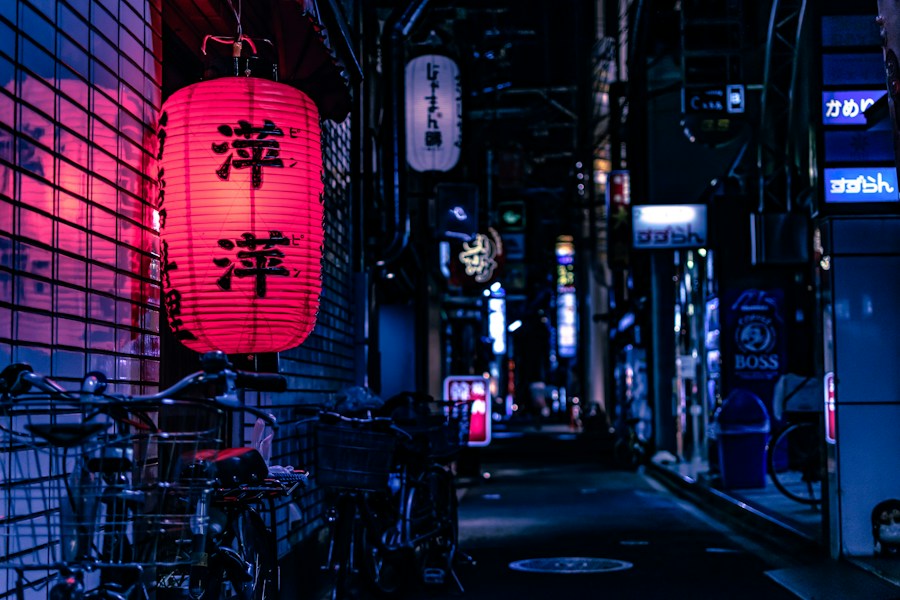
If you stay in a traditional ryokan — and I would argue strongly that you should — Kyoto will begin to teach you its pace from the moment you arrive. You remove your shoes. You accept the folded yukata. You take the bath at the time the inn recommends and discover, to your surprise, that the temperature and the cedar scent and the absolute quiet are worth every second of the inconvenience.
The kaiseki dinner that evening — twelve courses arranged on lacquer trays with the precision of a still life — is not really about food. It is about time. Each dish arrives when it is ready, not when you are hungry. Each is explained briefly, without ceremony. You eat slowly because there is no alternative. You finish three hours later and walk back to your room through a garden that is lit, with what seems like arbitrary perfection, by a single lantern.
The Two Temples
The two temples I did visit properly, over three days between them, were Daitoku-ji and Tofuku-ji. The first is not famous enough to attract crowds; the second is famous specifically in autumn, when its maple garden turns the colour of copper and everyone agrees it is the most beautiful thing in the city.
At Daitoku-ji, I spent an afternoon in a subtemple whose name I have already forgotten, watching a monk rake gravel with the same steady attention as the gardener in the coffee shop made coffee. At Tofuku-ji, I arrived before it opened, waited at the gate with six other people, and was rewarded with twenty minutes in which the garden belonged entirely to us before the first tour group arrived.
Twenty minutes is enough, if you use them properly.
What to Bring Home
Nothing, ideally. Or rather — not things. Kyoto does not give you useful objects. It gives you a realigned sense of what requires attention, and a suspicion, confirmed by the journey home, that most of what you normally attend to does not.
The city is very good at this. It has had a long time to practise.