Six extraordinary national parks, each with its own unique landscape, wildlife and atmosphere. This is Sri Lanka's natural heritage.
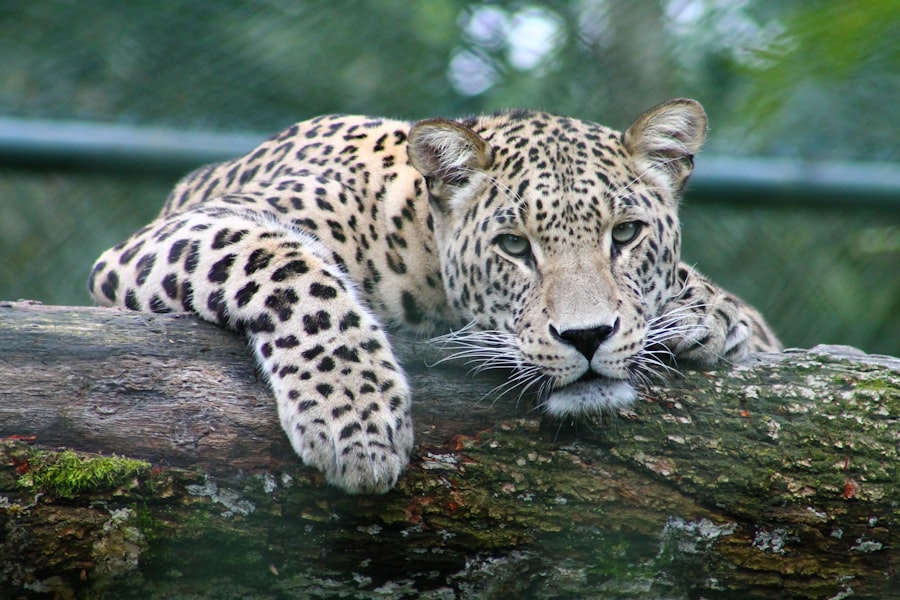
Yala is Sri Lanka's most visited and second-largest national park. It is divided into five blocks, with Block I open to visitors. Renowned globally for its extraordinary leopard density – the highest in the world – Yala is a bucket-list destination for any wildlife lover.
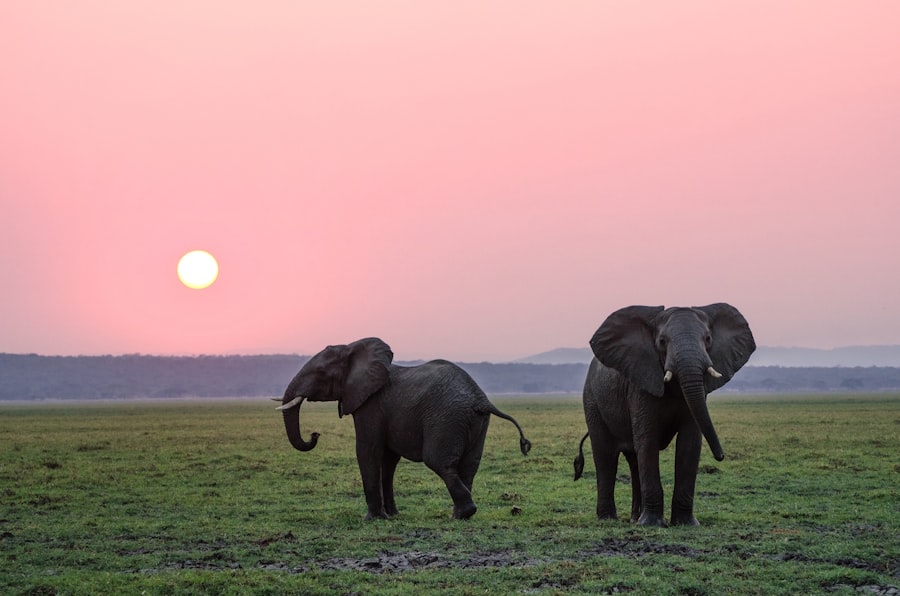
Created to protect the catchment of the Udawalawe Reservoir, this park is famous for its large and permanently resident population of Asian elephants. With over 200 elephants roaming its open grasslands, it offers some of the most reliable elephant encounters in Asia.
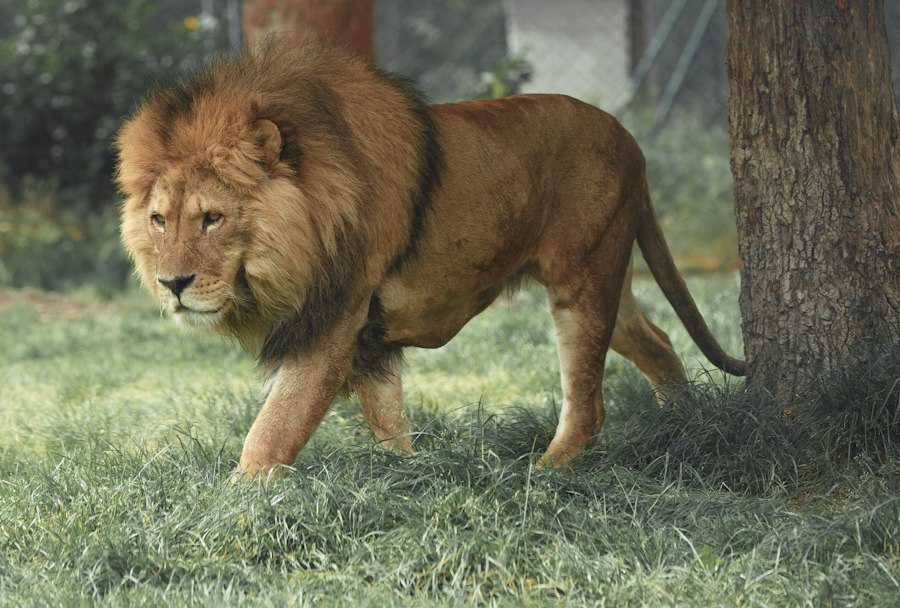
Sri Lanka's largest national park by area, Wilpattu is defined by its unique system of natural lakes called "villus" – basin-like depressions that fill with rainwater. This pristine and largely unvisited park offers a true wilderness experience with leopards, sloth bears and extraordinary biodiversity.
Home to the famous "Great Gathering" – one of the greatest wildlife spectacles on Earth – Minneriya sees hundreds of elephants congregate around the ancient Minneriya Tank reservoir during the dry season (August–October). It is one of the most remarkable wildlife events in Asia.
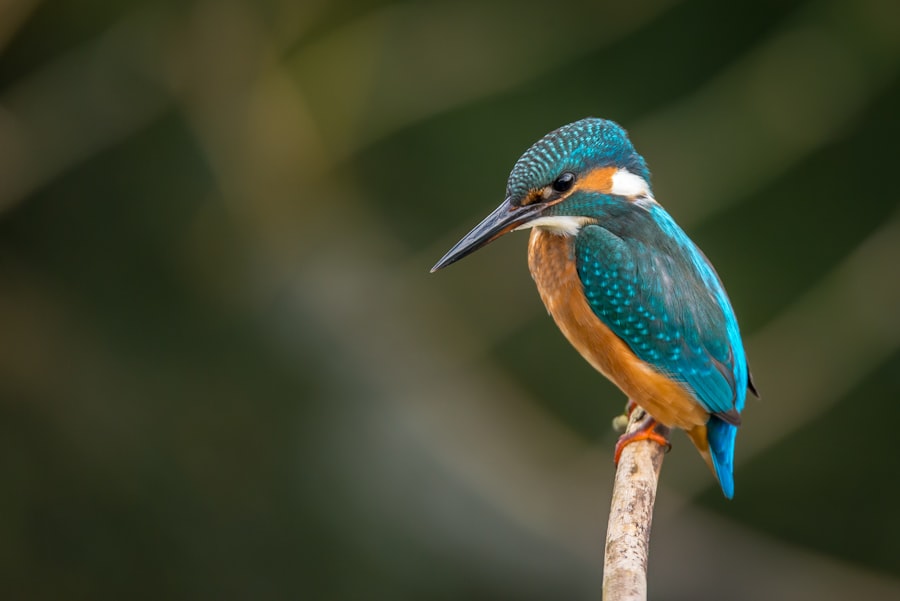
A UNESCO Ramsar Wetland of International Importance, Bundala is a paradise for bird-watchers. The park's network of lagoons hosts thousands of migratory birds from the Palearctic, including the iconic Greater Flamingo and numerous waders, shorebirds and waterfowl.
At 2,100m elevation, Horton Plains is a strikingly different kind of park. Misty montane grasslands, dense cloud forests and the dramatic "World's End" cliff (a 870m sheer drop) create one of the most spectacular landscapes in Sri Lanka. It is a UNESCO World Heritage Site.