At 04:30, the camp is entirely dark. The only sound is the distant call of a nightjar somewhere beyond the perimeter. Your guide appears at the tent flap, face already accustomed to the darkness, voice barely above a whisper: "Ready?"
The game drive vehicle starts in silence, its headlights cutting narrow beams through the scrub as you exit the camp gates before the first grey lightens the horizon. This is the hour that separates the Nocturne experience from every other safari in Yala.
The Mathematics of the Golden Hour
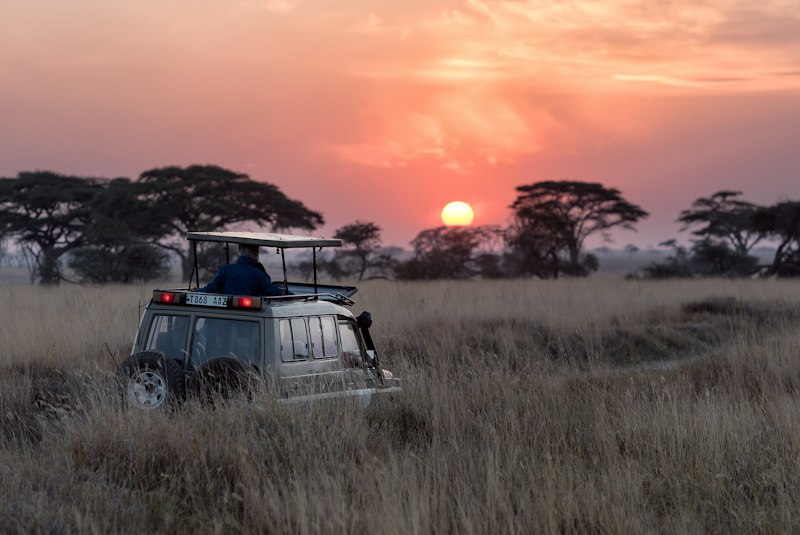
Professional wildlife photographers understand what most visitors miss: the wildlife encounters that make careers happen in the first and last 90 minutes of daylight. The light is extraordinary — warm, directional, casting long shadows across the rock formations. And the animals are most active, least habituated to vehicle presence.
The leopard we find is a young male, perhaps three years old, stretched across a granite boulder as the first light catches his coat. He looks at the vehicle once, decides we are beneath his interest, and returns to watching the valley below. We spend forty-five minutes with him. No other vehicle arrives.
This is what private safari means — not the exclusivity of your accommodation, but the exclusivity of your encounter. The leopard who is undisturbed, comfortable, unhurried. The guide who can make decisions based solely on your interests, not on where the other twelve vehicles are heading.