Yala National Park has the world's highest density of wild leopards. Our expert naturalists reveal the best zones, timing and techniques for a guaranteed encounter.
Sri Lanka's national parks offer some of the most extraordinary wildlife encounters on Earth — and few experiences rival the sheer drama of a perfect leopard sighting at Yala, or witnessing hundreds of elephants converging on Minneriya's ancient reservoir in the dying golden light of a dry-season afternoon.
As a master naturalist with nearly two decades spent in these extraordinary landscapes, I have witnessed moments that remain permanently etched in memory. This article distils the most important knowledge I have accumulated — knowledge that transforms a good safari into an unforgettable one.
Understanding the Wildlife's Behaviour
The single most important factor in exceptional wildlife encounters is understanding animal behaviour. At Yala, leopards follow remarkably predictable daily patterns. In the cool of the early morning, they move actively, often using elevated rocky outcrops — particularly around Patanangala Rock — as vantage points to survey their territory. By mid-morning, they seek shade, often in dense thickets near water.
"The secret to finding leopards is never to look for the leopard itself. Look for the alarm calls of peacocks, the agitation of spotted deer. The forest always announces the presence of a predator to those who know how to listen."
Timing Your Safari Perfectly
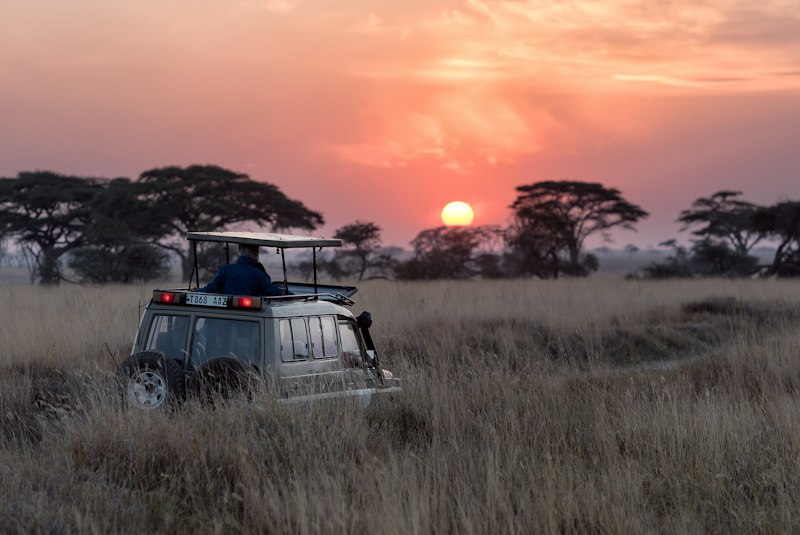
Timing is everything in wildlife photography and viewing. The golden windows — the first 90 minutes after sunrise and the final hour before sunset — offer the most beautiful light, the most animal activity and the greatest chance of dramatic encounters.
At Udawalawe, the herds typically emerge from the scrubland onto the open grassland around the reservoir during the mid-morning and again in the late afternoon. The reservoir itself, particularly as the dry season progresses and water levels drop, draws increasingly large concentrations of elephants to its receding shoreline.
Equipment and Preparation
For wildlife observation, good quality binoculars (8x42 or 10x42) are absolutely essential and add an entirely new dimension to game drives. For photography, a minimum 400mm focal length is recommended for most wildlife subjects, while a 600mm lens transforms opportunities with more distant or shy species.
Clothing should be in neutral tones — olive green, khaki and brown are ideal. Avoid blue, which is very visible to many animals, and white, which catches light. Comfort is paramount: lightweight, breathable fabrics that can be layered for the cool early mornings are ideal.
Responsible Wildlife Viewing
The wildlife encounters that linger longest in memory are invariably those where the animals are relaxed and behaving naturally — not reacting to our presence. Maintaining proper distances, never leaving the vehicle in the presence of wildlife, keeping voices low and switching off vehicle engines when stationery all contribute to encounters where the animals remain completely undisturbed.
At WildTrails, our naturalists adhere to a strict code of conduct that prioritises the animals' welfare above all. This approach consistently delivers the most authentic and extraordinary encounters.
Planning Your Safari Season
Sri Lanka offers year-round safari possibilities, with different parks peaking at different times. Yala is best from October to July, with its eastern blocks accessible year-round. Wilpattu reaches its finest from February to October. Udawalawe offers excellent encounters in all seasons, while Minneriya's legendary Gathering peaks between August and October.
Whatever the season, Sri Lanka's wildlife will astonish you. The sheer density of animals relative to park size — particularly at Yala and Udawalawe — means encounters that would take days to achieve in larger African parks happen within hours here.
A certified field naturalist with 18 years of experience guiding in Yala and Wilpattu. His encyclopaedic knowledge of Sri Lanka's wildlife and passion for conservation has earned him international recognition as one of Asia's finest safari naturalists.
More Articles